BPC-157 is a synthetic peptide frequently discussed in preclinical research, where the quality and condition of research material can influence how confidently an experimental result is interpreted. At RR Peptides, research-oriented peptide information is presented from a laboratory perspective, with attention to material characterization, documentation, and responsible laboratory practices.
BPC-157 stability and laboratory handling involve more than placing a vial in storage. Researchers need to consider the physical state of the material, environmental exposure, container integrity, preparation conditions, contamination risks, and documentation. This article explains practical principles for protecting research samples while keeping conclusions within the limits of available evidence.
For researchers evaluating peptide materials, RR Peptides provides research-focused resources designed to make technical information easier to understand. The following sections focus on BPC-157 stability and laboratory handling rather than human administration, emphasizing practices that can be adapted to the requirements of a specific laboratory.
Why BPC-157 Stability Matters in Research
BPC-157 stability and laboratory handling matter because peptides can be affected by environmental and procedural variables. Temperature, moisture, light, oxygen, repeated handling, solution conditions, and contamination can potentially alter the quality of a research sample. The precise stability profile of a peptide depends on its formulation, physical state, container, and experimental conditions.
The purpose of BPC-157 stability and laboratory handling is therefore not simply to maximize shelf life. The broader objective is to preserve sample identity and quality well enough that experimental observations can be interpreted with confidence. If sample condition is uncertain, an unexpected experimental result may be difficult to attribute to the biological variable being studied.
Researchers should also distinguish stability from purity. A certificate may report the purity of a tested batch at a particular point in time, but that result does not necessarily predict how the same material will behave after prolonged exposure to unsuitable conditions. Batch documentation should therefore be retained alongside storage and handling records.
Stability consideration
Why it matters
Physical state
Dry and prepared samples have different environments
Temperature
Can influence chemical stability
Moisture
May affect dry peptide material
Light exposure
Can be relevant for sensitive compounds
Container integrity
Protects against environmental exposure
Contamination
Can compromise sample quality
Documentation
Supports traceability and interpretation
BPC-157 stability and laboratory handling should be considered part of experimental quality control. A well-designed study can still produce difficult-to-interpret results if the research material is poorly documented or exposed to uncontrolled conditions.
For research-focused peptide information, RR Peptides encourages readers to review batch-specific documentation and the storage instructions supplied for the material being evaluated. A general article can explain principles, but the product documentation and laboratory’s validated procedures should take precedence when they provide more specific requirements.
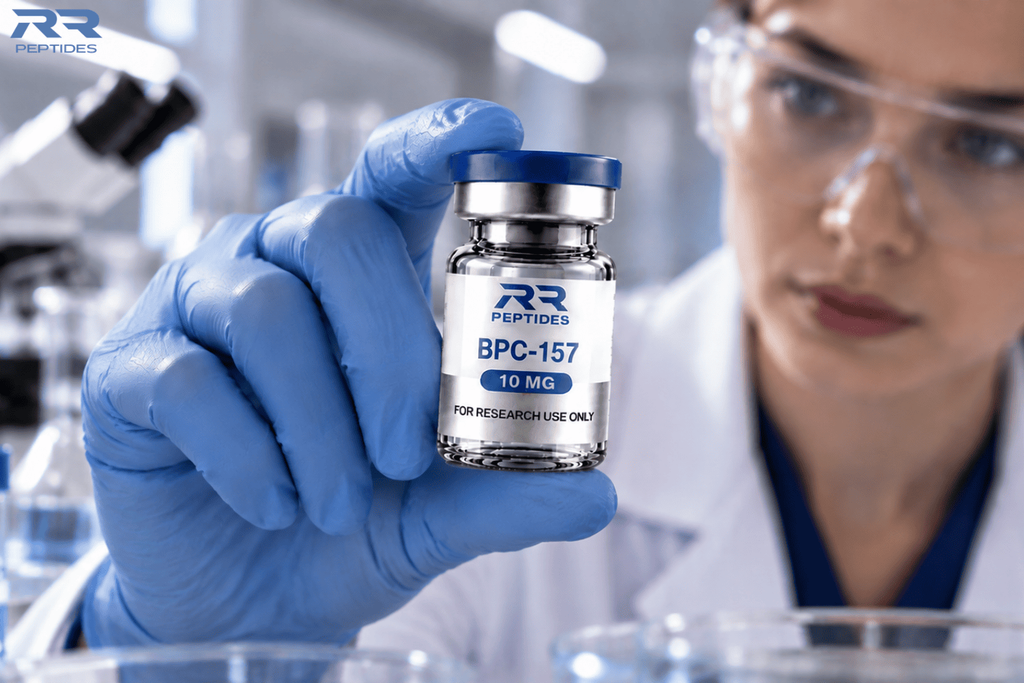
Explore laboratory research applications with BPC-157 10mg.
Storage Conditions for Lyophilized BPC-157
BPC-157 stability and laboratory handling begin with understanding the material’s physical state. Lyophilized peptides are dry preparations that should be protected from unnecessary environmental exposure. Researchers should follow the storage conditions specified by the supplier, certificate of analysis, or validated laboratory protocol.
Temperature and moisture are important storage considerations. Researchers should avoid assuming that one temperature is appropriate for every BPC-157 product, as requirements may vary by formulation and packaging. Keeping containers properly sealed and minimizing humidity exposure can help maintain sample integrity.
Temperature management
Stable temperature conditions are generally preferable to repeated and uncontrolled temperature changes. Researchers should use appropriate laboratory storage equipment and avoid storing research material in locations where temperature fluctuates substantially.
BPC-157 stability and laboratory handling should include a clear approach to temperature monitoring. Where temperature-controlled storage is required, laboratories may maintain records or alarms appropriate to the risk of the material. A temperature excursion should be documented rather than ignored.
Protecting lyophilized material
The vial should remain properly closed when it is not being handled. Researchers should inspect the container and material for visible abnormalities before use, while recognizing that appearance alone cannot confirm chemical integrity.
A practical storage checklist includes:
Check
Best practice
Label
Record identity and lot clearly
Container
Keep closure secure
Environment
Follow specified storage conditions
Moisture
Minimize humidity exposure
Light
Follow stated protection requirements
Temperature
Monitor where appropriate
Access
Limit unnecessary opening
Records
Document relevant storage events
BPC-157 stability and laboratory handling are easier to control when samples are organized systematically. Separate storage locations, clear labels, and defined access procedures can reduce accidental mix-ups.
Factors That May Affect Peptide Stability
Several factors can influence peptide stability, and BPC-157 stability and laboratory handling should account for them throughout the sample lifecycle. These factors may interact rather than operate independently. For example, temperature changes combined with moisture exposure can create different conditions from either variable alone.
Temperature and time
Chemical degradation can be influenced by both temperature and duration. A short exposure to an unfavorable condition may not have the same significance as prolonged exposure. Researchers should therefore record unusual events instead of treating all temperature excursions as equivalent.
Moisture and humidity
Moisture can be particularly relevant to lyophilized materials. Repeated opening of a container can expose the contents to ambient humidity. Researchers should keep containers closed as much as practical and follow established laboratory procedures for accessing dry materials.
BPC-157 stability and laboratory handling should also consider whether the storage environment itself is appropriate. A refrigerator or freezer does not automatically provide protection from every environmental variable. Container closure and sample packaging remain important.
Light and oxygen
Some chemical compounds can be affected by light or oxidation. The extent of these effects depends on the material and conditions. Researchers should follow supplier information and validated laboratory procedures rather than assuming that BPC-157 has a universally defined sensitivity profile.
Where protection is specified, samples should be handled accordingly. Unnecessary exposure to air, light, or repeated environmental changes should generally be minimized when practical.
Preparation conditions
Once a peptide is prepared for an experiment, BPC-157 stability and laboratory handling considerations can change. Solvent, concentration, pH, temperature, container material, and duration can all influence the behavior of a peptide solution. Researchers should therefore use preparation procedures supported by the relevant product documentation or validated experimental protocol.
BPC-157 stability and laboratory handling do not provide a universal formulation or preparation recipe. Experimental laboratories should establish conditions appropriate to their specific research design and verify whether the resulting preparation is suitable for the intended analytical or experimental endpoint.
Freeze-thaw exposure
Repeated freeze-thaw cycles can be relevant to some biological research materials because changes in temperature may affect solution characteristics. Whether this is significant for a specific BPC-157 preparation depends on the formulation and conditions.
Factor
Potential concern
Management principle
Temperature
Chemical changes
Follow documented range
Time
Prolonged exposure
Record sample history
Humidity
Moisture exposure
Maintain closure
Light
Possible degradation
Follow stated protection
Oxygen
Oxidative effects
Minimize unnecessary exposure
Solution conditions
Changed stability profile
Use validated protocol
Freeze-thaw
Repeated environmental stress
Plan handling carefully
A central principle of BPC-157 stability and laboratory handling is that assumptions should be replaced with documentation wherever possible. If stability information is unavailable for a particular condition, researchers should not present a precise shelf-life claim as established fact.
Laboratory Handling and Contamination Prevention
BPC-157 stability and laboratory handling also depend on contamination control. Even when chemical stability is maintained, contamination can compromise a research sample and introduce variables that interfere with experimental interpretation.
Laboratories should use BPC-157 stability and laboratory handling procedures appropriate to the material and research environment. Clean work areas, suitable personal protective equipment, sterile or appropriately clean tools where required by the protocol, and controlled access can help reduce unnecessary contamination.
Clean handling practices
Researchers should prepare materials before opening a sample so that the container does not remain exposed longer than necessary. Work surfaces should be cleaned according to the laboratory’s procedures, and tools should be suitable for the intended experiment.
BPC-157 stability and laboratory handling should include clear separation between sample preparation and unrelated laboratory activities. This reduces the likelihood that dust, droplets, chemicals, or other materials will enter the research sample.
Avoiding cross-contamination
Cross-contamination can occur when the same tools, containers, or work areas are used for multiple research materials without appropriate controls. Labels should be clear, and researchers should maintain a logical workflow that separates samples where necessary.
When multiple peptide materials are being studied, traceability becomes particularly important. Each container should remain associated with its product identity, lot information, and experimental record.
Container integrity
The original container and closure system can contribute to sample protection. Researchers should inspect packaging for damage, leakage, compromised seals, or labeling problems. Any irregularity should be documented and evaluated under laboratory procedures.
BPC-157 stability and laboratory handling become more reliable when container integrity is treated as part of quality control rather than as a purely administrative issue.
Handling area
Practical objective
Work surface
Maintain a controlled workspace
Tools
Use appropriate, clean equipment
Labels
Prevent sample identification errors
Containers
Protect material from exposure
Workflow
Separate incompatible activities
Records
Maintain traceability
Personnel
Follow laboratory procedures
Contamination prevention is particularly important when research endpoints are sensitive. A biological assay can respond to variables unrelated to the intended experimental compound. Maintaining clean and consistent handling conditions helps reduce those confounding factors.
Researchers should also document unexpected events. If a container is left open, a label becomes unclear, a sample is dropped, or an unusual environmental exposure occurs, the event should be recorded according to the laboratory’s quality system. Transparent records are more useful than assumptions that an event had no effect.
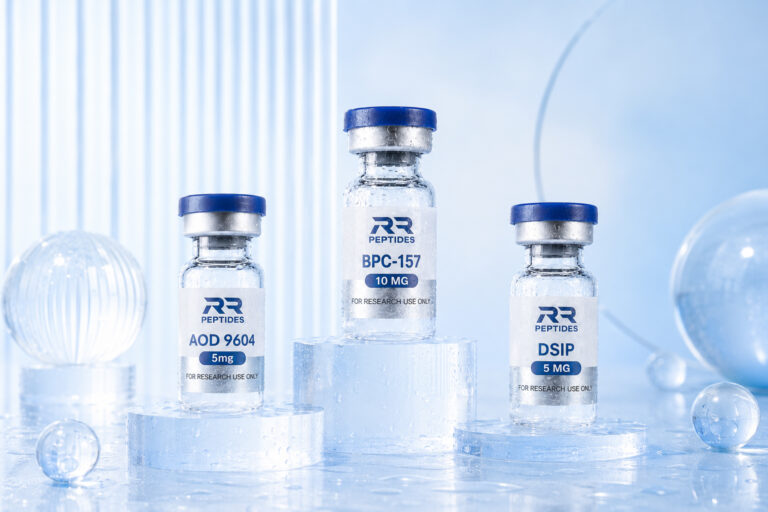
Explore laboratory research applications with BPC-157 10mg.
Documentation and Sample Management Practices
Good documentation is one of the simplest ways to improve BPC-157 stability and laboratory handling. A sample record for BPC-157 stability and laboratory handling creates a history that connects the research material to the experiment and helps researchers identify potential sources of variation.
At minimum, a sample-management system supporting BPC-157 stability and laboratory handling can record the product name, lot or batch number, receipt date, storage location, storage condition, preparation history, and experimental use. Laboratories may add additional fields depending on their quality requirements.
Certificate of Analysis review
A batch-specific Certificate of Analysis can provide useful information about the material that was tested. Depending on the available document, researchers may review product identification, lot number, testing date, laboratory information, HPLC or UPLC data, mass spectrometry results, measured quantity, and stated purity.
Purity and identity should not be treated as identical measurements. A purity result can describe the proportion of material meeting a particular analytical criterion, while identity testing addresses whether the expected compound is present. Both can be relevant to research material characterization.
BPC-157 stability and laboratory handling should therefore connect the COA to the actual batch being used. Keeping a generic product document without confirming the lot may make later traceability more difficult.
Storage logs
A storage log can record where a sample is located and whether relevant storage conditions have remained within the specified range. For temperature-controlled equipment, laboratories may use monitoring systems appropriate to their procedures.
Sample labeling
Clear labels reduce identification errors. Useful information may include sample name, concentration or preparation status where relevant, lot number, date, and an internal sample identifier. Labels should be consistent with the laboratory’s record system.
BPC-157 stability and laboratory handling are easier to manage when physical samples and electronic or written records use the same identifiers. This creates a traceable chain from incoming material to experimental result.
Record
Example information
Product record
Name and product identifier
Batch record
Lot number and COA
Storage record
Location and conditions
Preparation record
Date and preparation status
Experiment record
Study and sample identifier
Excursion record
Event and affected material
Disposal record
Date and internal reference
Documentation also supports reproducibility. If an experiment produces an unexpected result, researchers can review sample history alongside experimental conditions. This can help distinguish biological variability from potential material or handling issues.
A consistent approach to BPC-157 stability and laboratory handling therefore supports both sample quality and scientific interpretation. Good records do not guarantee a particular experimental outcome, but they make the evidence easier to evaluate.
For researchers in Canada, documentation should also align with applicable institutional policies and laboratory requirements. Research-use materials should not be confused with products authorized for therapeutic use. Availability from a research supplier does not itself establish Health Canada authorization for human therapeutic use.
FAQ About BPC-157 Stability and Laboratory Handling
Why does stability matter for BPC-157 research?
BPC-157 stability and laboratory handling can affect confidence in the condition and traceability of a research sample. If material has experienced undocumented environmental exposure, it may become harder to interpret unexpected experimental results.
Should lyophilized BPC-157 always be stored at one specific temperature?
No universal storage temperature should be assumed for every product. Researchers should follow the supplier’s documentation, batch information, and validated laboratory procedures applicable to the material.
Is lyophilized material the same as a prepared solution?
No. A dry peptide and a prepared solution exist in different chemical environments. Solution stability can depend on factors such as solvent, concentration, pH, temperature, container, and duration.
Does a COA prove long-term stability?
No. A Certificate of Analysis provides analytical information about the tested material and batch, but it does not necessarily establish stability under every future storage or handling condition.
Can BPC-157 stability and laboratory handling be affected by light?
Potential sensitivity to light depends on the material and conditions. Researchers should follow product-specific documentation and minimize unnecessary environmental exposure when practical.
Why is contamination prevention important?
Contamination can introduce variables that affect analytical or biological results. Controlled handling, suitable tools, clear labeling, and appropriate workspace procedures help reduce this risk.
Should storage events be documented?
Yes. Recording relevant storage conditions, temperature excursions, preparation events, and sample transfers improves traceability and helps researchers investigate unexpected results.
How should Canadian researchers approach research-use peptides?
Canadian researchers should distinguish research-use materials from therapeutically authorized products and follow applicable institutional, laboratory, and regulatory requirements. Commercial availability does not by itself establish Health Canada therapeutic authorization.
What information should be included on a sample label?
Depending on laboratory procedures, labels may include sample identity, lot number, preparation status, date, and an internal identifier. The physical label should correspond with the laboratory record.
What is the most important handling principle?
The most important principle is consistency. BPC-157 stability and laboratory handling should be based on documented storage conditions, controlled procedures, traceability, and evidence appropriate to the specific research material.
Final Research Perspective
BPC-157 stability and laboratory handling are important aspects of responsible peptide research. Proper storage, controlled handling, contamination prevention, and clear documentation can help maintain sample traceability and support reliable experimental interpretation.
At RR Peptides, our research-focused approach emphasizes scientific context, material characterization, and responsible sample management. Researchers should follow product-specific documentation and validated laboratory procedures rather than assume one universal stability condition applies to every BPC-157 material.
For Canadian laboratories, research-use materials should be distinguished from therapeutically authorized products, while applicable institutional and regulatory requirements should be followed. Explore more research-focused peptide information and laboratory resources from RR Peptides.
Disclaimer: All products and compounds discussed are intended strictly for laboratory and research purposes. This article is provided for educational and informational purposes only. It is not medical advice, therapeutic guidance, or instructions for human administration.
3 Comments
The discussion of BPC-157 stability is a useful reminder that sample handling can have a significant impact on research quality. I found the focus on factors that may affect compound integrity particularly relevant for laboratory work.
I liked the laboratory-focused perspective on BPC-157 handling. Paying attention to storage conditions, sample integrity, and consistency during handling is important when researchers need reliable results across experiments.
This is an interesting aspect of BPC-157 research that can easily be overlooked. Understanding how environmental and handling factors may influence stability provides useful context for interpreting laboratory data and maintaining reproducibility.





The discussion of BPC-157 stability is a useful reminder that sample handling can have a significant impact on research quality. I found the focus on factors that may affect compound integrity particularly relevant for laboratory work.
I liked the laboratory-focused perspective on BPC-157 handling. Paying attention to storage conditions, sample integrity, and consistency during handling is important when researchers need reliable results across experiments.
This is an interesting aspect of BPC-157 research that can easily be overlooked. Understanding how environmental and handling factors may influence stability provides useful context for interpreting laboratory data and maintaining reproducibility.